Tolocar
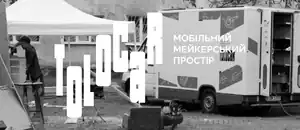
Tolocar is an initiative that supports makers, makerspaces, local communities and organizations across Ukraine in developing practical solutions for reconstruction and resilience. It brings together people with technical, creative, and social skills to co-create responses to the challenges of recovery and transformation. Tolocar is about open knowledge-sharing, self-efficacy, hands-on problem-solving, shared learning and innovation.
The initiative draws its name from the Ukrainian word toloka, a traditional form of communal work where neighbors unite to help one another build, harvest, or repair. Tolocar applies this idea of collective effort to today’s context by linking the solidarity of toloka with the creativity of the global maker movement.
As a component of the project «Good Governance thorugh GovTech and Transparency in Ukraine» the initiative is funded by the German Federal Ministry for Economic Cooperation and Development (BMZ) and implemented by Deutsche Gesellschaft für internationale Zusammenarbeit (GIZ) GmbH in close collaboration with a growing ecosystem of makerspaces, universities, municipalities, and civil society organizations. Now, Tolocar acts more as a shared brand of multiple actors within the Ukrainian maker ecosystem, who are connected by their joint conviction that "making" holds a transformative potantial for rebuilding a strong, innovative and sustainable Ukraine
What Tolocar Does
Mobile Makerspaces
Just a few weeks after the start of the full-scale invasion of Ukraine the initiative started as a way to support both the emergency relief activities, and the development of a participatory innovation ecosystem for the socio-economic recovery of Ukraine. With a fleet of four mobile makerspaces at its core, Tolocar started to bring together experts from the fields of making, distributed manufacturing, and urban planning with civil society organizations in Ukraine. These mobile makerspaces - "Tolocars" - are converted vans that offers the possibilities of a makerspace or fablab on wheels. This means they bring the capacity of high-end manufacturing or diagnosis technologies to the point of need. But crucially they remain plugged into a world wide community of diverse domain experts who can bring their collective intelligence to bear in ways that complement conventional relief or rebuilding efforts. The aim is to enable communities to replicate some of the capabilities and so to catalyze rebuilding efforts and establish support networks. These mobile workshops quickly became symbols of adaptability and creativity in action.
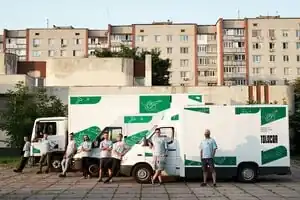
After a successful first phase with over 150 activities and workshops carried out all over Ukraine, the mobile makerspaces were handed over to Ukrainian organizations to be managed in a more decentral manner. These incredible organizations will continue to carry the Tolocar spirit into the heart of Ukrainian communities: In Drohobych, the relocated Donetsk University launched its“STEAM Journeys” project: a mobile hub that will travel to communities promoting science, design, and entrepreneurship. Working with local schools, IDP councils, and businesses, they aim to inspire the next generation of makers. In Chernihiv, NGO Eco Misto hosts educational events, workshops, and hands-on sessions using the mobile makerspaces, which are aimed at developing maker thinking and practical skills among children and youth. The vehicle is also used for career orientation activities in Chernihiv schools and will travel to support STEM spaces throughout the Chernihiv region. In Okhtyrka, the NGO Okhtyrka Youth Centerpromotes digital manufacturing, and even digitizes cultural heritage through 3D models. Their work also focuses on supporting veterans and improving shelters. In Kyiv, the NGO Ostriv Platform leads shelter-making and mobile interventions. For them, Tolocar has been a catalyst helping them grow their model and connect with global maker networks.
To compile the knowledge Tolocar gathered in setting up and operating the mobile makerspaces, Tolocar published its playbook "How to Tolocar". The playbook showcases different interpretations of what mobile makerspaces are, shares use cases and equipment lists, and introduces the different qualities of the team which have been essential to the successful implementation of the project. The PDF version can be found on the Tolocar website, but it is also available as a living document / open edit version on Appropedia.
Local Makerspaces and Maker Initiatives
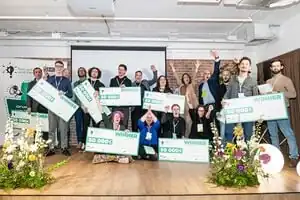
Another important component of Tolocar's activities are the support of already existing or emerging makerspaces and maker initiatives in Ukraine. For instance, through the Makers Empowerment Hubs program, Tolocar supports seven established, stationary makerspaces across the country, helping them grow into regional centers for innovation, education, and sustainable production. The makerspaces are located in Kosiv, Konotop, Truskavets, Berezhany, Stryi, Zaporizhzhia and Ivano-Frankivsk. These hubs serve as spaces where people can prototype new ideas, share expertise, and develop solutions for reconstruction from designing energy-efficient housing components to promoting circular economy practices. With the Makers Innovation Award, Tolocar awarded seven exceptional maker initiatives which create social impact. The award provided funding and training to the winners, enabling them to make their idea become reality.
In this way, Tolocar empowers local actors to drive change from the ground up.
Networking and Ecosystem Development
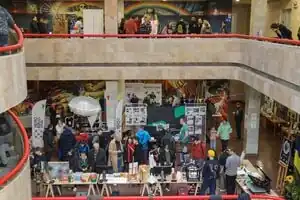
One of the goals of Tolocar is to expand the reach of Ukrainian makers by connecting them to national, regional, and global maker networks.
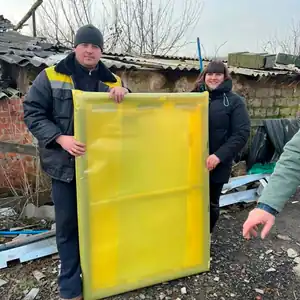
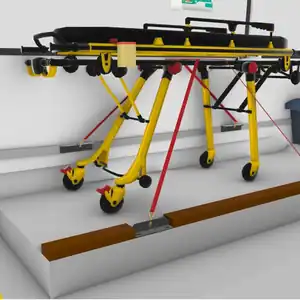
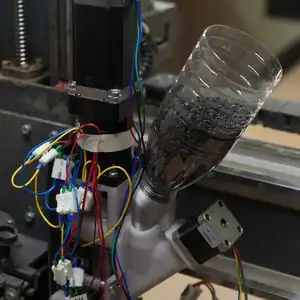
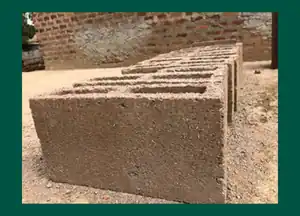
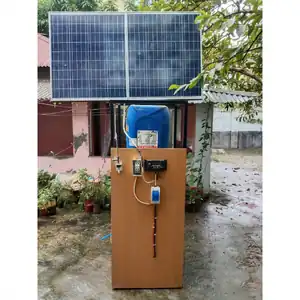
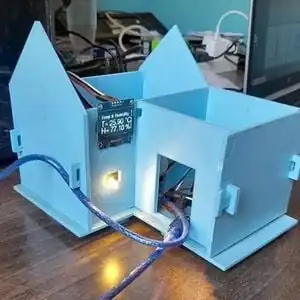
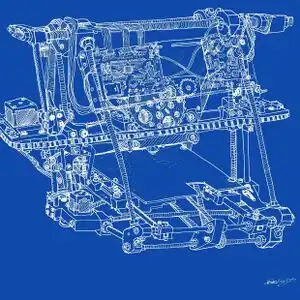
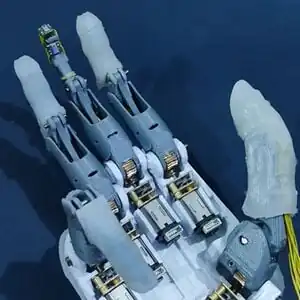
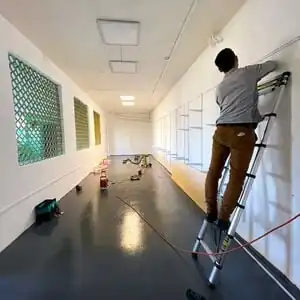
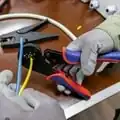
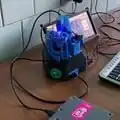
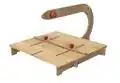
For that, Tolocar supports networks like the Ukrainian Maker Association, who connect makers through community calls or offline events. Within the Co-Design program, Tolocar connected international and Ukrainian makers to work on research and development of tangible products and services which were documented on Appropedia for downloading, sharing and contributing to further development.
Projects on Appropedia

Other Tolocar Content
- Makers Empowerment Hubs
- Makers Innovation Award
- Tolocar Playbook
Tolocar is a project funded by the German Federal Ministry for Economic Cooperation and Development (BMZ) and implemented by the Deutsche Gesellschaft für internationale Zusammenarbeit (GIZ) GmbH with support of HIWW in close collaboration with Ukrainian and international partners.
| Authors | Sarahmariaj, Victoria Wenzelmann |
|---|---|
| License | CC-BY-SA-4.0 |
| Organizations | Tolocar |
| Cite as | Sarahmariaj, Victoria Wenzelmann (2023–2025). "Tolocar". Appropedia. Retrieved November 28, 2025. |