Invasive species
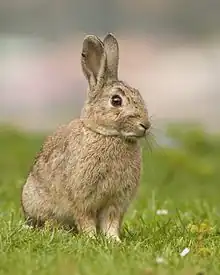

An invasive species is an introduced species that harms its new environment. Invasive species adversely affect habitats and bioregions, causing ecological, environmental, and/or economic damage. Since the 20th century, invasive species have become serious economic, social, and environmental threats worldwide.
Invasion of long-established ecosystems by organisms is a natural phenomenon, but human-facilitated introductions have greatly increased the rate, scale, and geographic range of invasion. For millennia, humans have served as both accidental and deliberate dispersal agents, beginning with their earliest migrations, accelerating in the Age of Discovery, and accelerating again with the spread of international trade. Notable invasive plant species include the kudzu vine, giant hogweed (Heracleum mantegazzianum), Japanese knotweed (Reynoutria japonica), and yellow starthistle (Centaurea solstitialis). Notable invasive animals include European rabbits (Oryctolagus cuniculus), domestic cats (Felis catus), and carp (family Cyprinidae).
Invasive herbs


Invasive herbs refers to herbs that have a tendency to take over your garden or growing space. Although such herbs are usually grown for their herbal benefit (culinary, medicinal, appearance, etc.), the ability of such herbs to take over the garden can be a real problem and might even put the herb gardener off growing them again. These herbs need to be managed to prevent their spread, meaning that they can still be enjoyed as part of a garden without taking it over. And you might be surprised that the tenacious invasive herb survives when other plants keel over in the heat or cold extremes, so sometimes it is a blessing to have a little something still growing in the garden when all else fails!
| Authors | |
|---|---|
| License | CC-BY-SA-4.0 |
| Cite as | "Invasive species". Appropedia. 2022–2025. Retrieved November 28, 2025. |