Ecosystem restoration
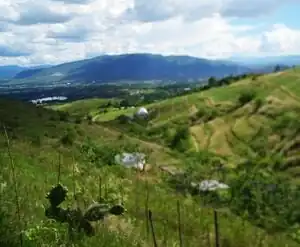
Ecosystem restoration is the process of halting and overturning degradation, resulting in cleaner air and water, extreme weather mitigation, better human health, and recovered biodiversity, including improved pollination of plants. Restoration encompasses a wide continuum of practices, from reforestation to re-wetting peatlands and coral rehabilitation. unep.org This page is a topic overview for community agency networks (CANs) and community groups, featuring project ideas, collaboration opportunities and community resources.
News
 One year after a historic dam removal, teens inspire river restoration worldwide: ‘It turns out you can win’, theguardian.com (Oct 25, 2025) — The Klamath River began rebounding almost immediately. Now, Indigenous youth are leading the next chapter of the recovery, inspiring tribes from Brazil to China
- A ‘Secret Weapon’ for Fighting Climate Change Comes Surging Back, reasonstobecheerful.world (Oct 09, 2025) — Capturing carbon 35 times faster than the Amazon, seagrasses have faced centuries of decline. Now restoration projects across North America are seeing their meadows quadruple in size.
- Fire in the hole: the Indigenous crews blasting the Alaskan rainforest to save it, theguardian.com (Aug 17, 2025)
Video
Community action projects

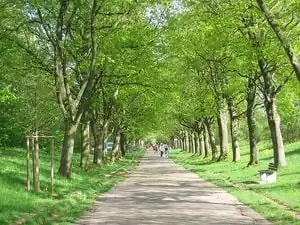
- A love letter to a regenerative community, Ecosystem restoration camps (Sep 07, 2022) — Habiba = Love
Ecosystem Restoration Camps is a global movement of people creating an abundant earth 🌲🌴🌳
"We repair broken ecosystems together and, in doing so, provide humanity with hope and a better future. Our big goal is to have one million people come together by 2030 and restore degraded ecosystems in 100 camps around the world."[1]
Events
 Mar 01, 2026 (Sun) — World Seagrass Day, Mar 1, annually. Raising awareness about seagrass and its important functions in the marine ecosystem.
- Mar 03, 2026 (Tue) — World Wildlife Day, Mar 3, annually
- UN Decade on Ecosystem Restoration, 2021-2030
Resources
Books
- Earth Repair: A Grassroots Guide to Healing Toxic and Damaged Landscapes, resilience.org, March 2015
Ecosytem restoration and...
Climate emergency
Actions that prevent, halt and reverse degradation are necessary to meet the Paris Agreement target of keeping global temperature rise well below 2 degrees Celsius. Investments in agriculture, mangrove protection and water management will help adapt to climate change, with benefits around four times the original investment.
Ecological emergency
Restoration, if combined with stopping further conversion of natural ecosystems, may help avoid 60 percent of expected biodiversity extinctions.
Food security
Agroforestry alone has the potential to increase food security for 1.3 billion people.
SDGs
Ecosystem restoration contributes to the realization of multiple Sustainable Development Goals (SDGs), including health, clean water, and peace and security, and to the objectives of the three ‘Rio Conventions’ on Climate, Biodiversity, and Desertification. It can be highly efficient in producing multiple economic, social and ecological benefits concurrently.
Near you
The Kaipatiki Project, Auckland - Potawot forest restoration, California - Arcata Marsh saltwater marshes, California - Permaculture Demonstration Center in San Andres Huayapam, Mexico - Long Beach Greenbelt - Elephant Nature Park in Thailand - Pirque forest, Chile
local information and news can be found, or shared, via our many location pages
See also: Climate action, Reduce, reuse, repair and recycle, Urban sustainability, Mangrove swamps, Bridging the social justice and environmental movements, Environmental justice (category), Nigeria, Biological remediation
External links
References
| Authors | Phil Green |
|---|---|
| License | CC-BY-SA-4.0 |
| Cite as | Phil Green (2021–2025). "Ecosystem restoration". Appropedia. Retrieved November 28, 2025. |