Agrotunnel harvesting procedures:FAST
Safety Training Requirements
- Dr. Pearce Safety Lab Tour
- Worker Health & Safety Awareness
- WHMIS 2015 - Workplace Hazardous Materials Information System
- Laboratory Safety & Hazardous Waste Management
Personal Protective Equipment
PPE is to keep YOU safe so that you can keep doing what you want to do.
- Safety glasses – always required
- Gloves
- Lab Coat
SDS and Other
Knowing what chemicals are in the lab and how they interact with each other is critical when accidents happen.
- Appropriate SDS sheets should be viewed online.
- Note the hazards listed on the door to the Agrotunnel.
Equipment Name
- ICFAR- Agrotunnel
- Vertical grow walls
- Grow lights
- Clippers (if needed)
- Harvesting bins
- Paper towels
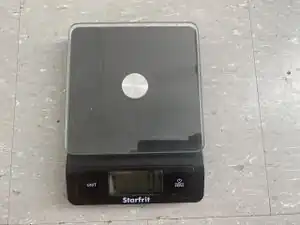
- Weighing scale
Light and Temperature Tolerances
- Light should be constant 24/7 throughout the cycle of the plants.
- Temperature should be constant at 19–22C° which is considered as favorable range.
- Block any source of external/secondary light.
Safety Issues With Method
- Make sure that harvesting bins and clippers should be sterilized and separate to avoid risk of cross-contamination.
- Wash your hands before or use gloves while harvesting.

Operation & Procedure
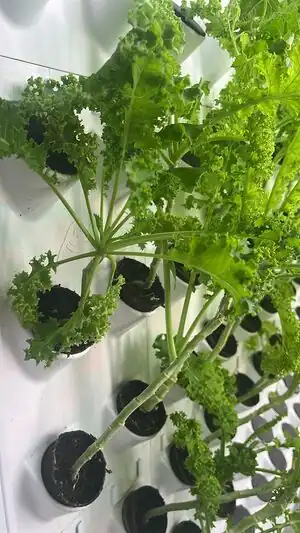
1. Optimizing Harvest Scheduling for Crop Varieties
To improve the organization and clarity of the harvesting process, it is recommended to establish one or two fixed days per week dedicated to harvesting activities. These meetings are crucial due to the varying growth rates of different crops. The timing of harvesting should be determined based on the specific growth characteristics of each crop variety, whether they exhibit slow or fast growth patterns. Each crop has a unique harvesting cycle and growth stages. Typically, it takes several weeks for most crops to reach maturity and be ready for harvest.
2. Harvesting Bin Preparation
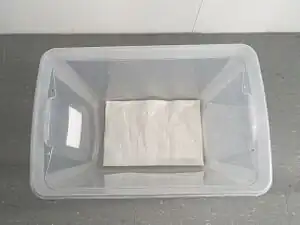
Before beginning the harvesting process, it is essential to prepare a harvesting bin to collect all the crops. The following steps outline the preparation process:
- Thoroughly clean the harvesting bin with water to remove any dirt or debris.
- Dry the bin completely and inspect it for any remaining unclean spots.
- Once the bin is properly cleaned, place a single layer of paper towel inside, ensuring it covers the entire bottom surface.
The use of paper towels or cloth is necessary to absorb moisture from the harvested produce in the bin.
Repeat these steps for all the harvesting bins needed for the process.
3. Harvesting Procedures and Techniques
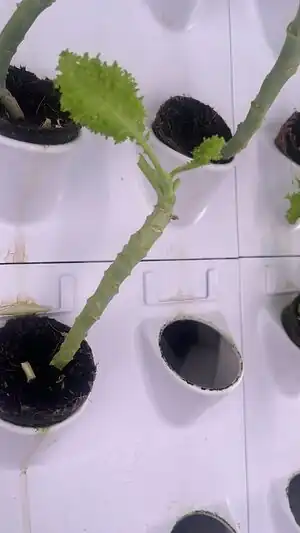
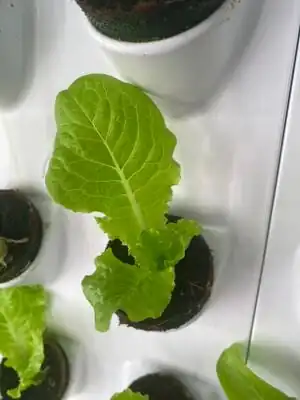
FAST lab researchers have identified manual harvesting as the most efficient technique, with the optional use of clippers. When harvesting crops manually using fingers, it is essential to remove them from the base of the branch near the stem where the mature crops are located. Ensure that the cut is clean and precise. Place the harvested crops into the designated bin. For crops grown in coco coir cups, retain at least two small branches/leaves to facilitate regrowth for subsequent harvests.
4. Standardized Weighing Protocol
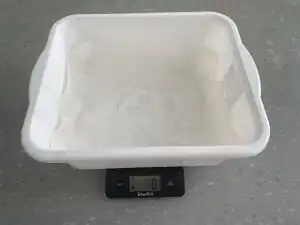
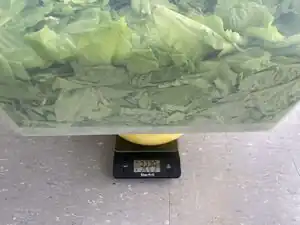
Place a weighing scale on a flat, stable surface to ensure accurate measurements. Position an empty harvesting bin on the scale and press the zero (tare) button to reset the scale and exclude the weight of the bin. Subsequently, add harvested crops into the bin and record the weight. Repeat this process for each bin until all harvested crops have been weighed and documented.
If the weighing scale does not have a zero (tare) button option, follow these steps:
- Weigh the empty harvesting bin and record its weight.
- Weigh the total weight of the crops inside the harvesting bin and record this value.
- Subtract the weight of the empty harvesting bin from the total weight of the crops and bin combined to obtain the net weight of the crops.
- Record the net weight of the crops.
This method ensures accurate measurement of the harvested crops.
Shutdown
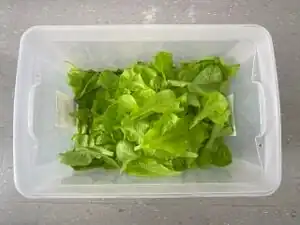
To ensure optimal freshness, pack all harvested bins with plants and store the crops in a refrigerator. Record the weight of the vegetables and document all data for subsequent testing.
References
| Authors | |
|---|---|
| License | CC-BY-SA-4.0 |
| Organizations | Free Appropriate Sustainable Technology, Western University |
| Cite as | "Agrotunnel harvesting procedures:FAST". Appropedia. 2024–2025. Retrieved November 28, 2025. |